
Industry Insights
Gift Card Printing and Logistics: From Design to Store Shelf
What does gift card printing involve? Card design, supplier procurement, secure packaging, warehouse distribution, and automated replenishment, all tracked by Ogloba from factory production line to retail shelf.
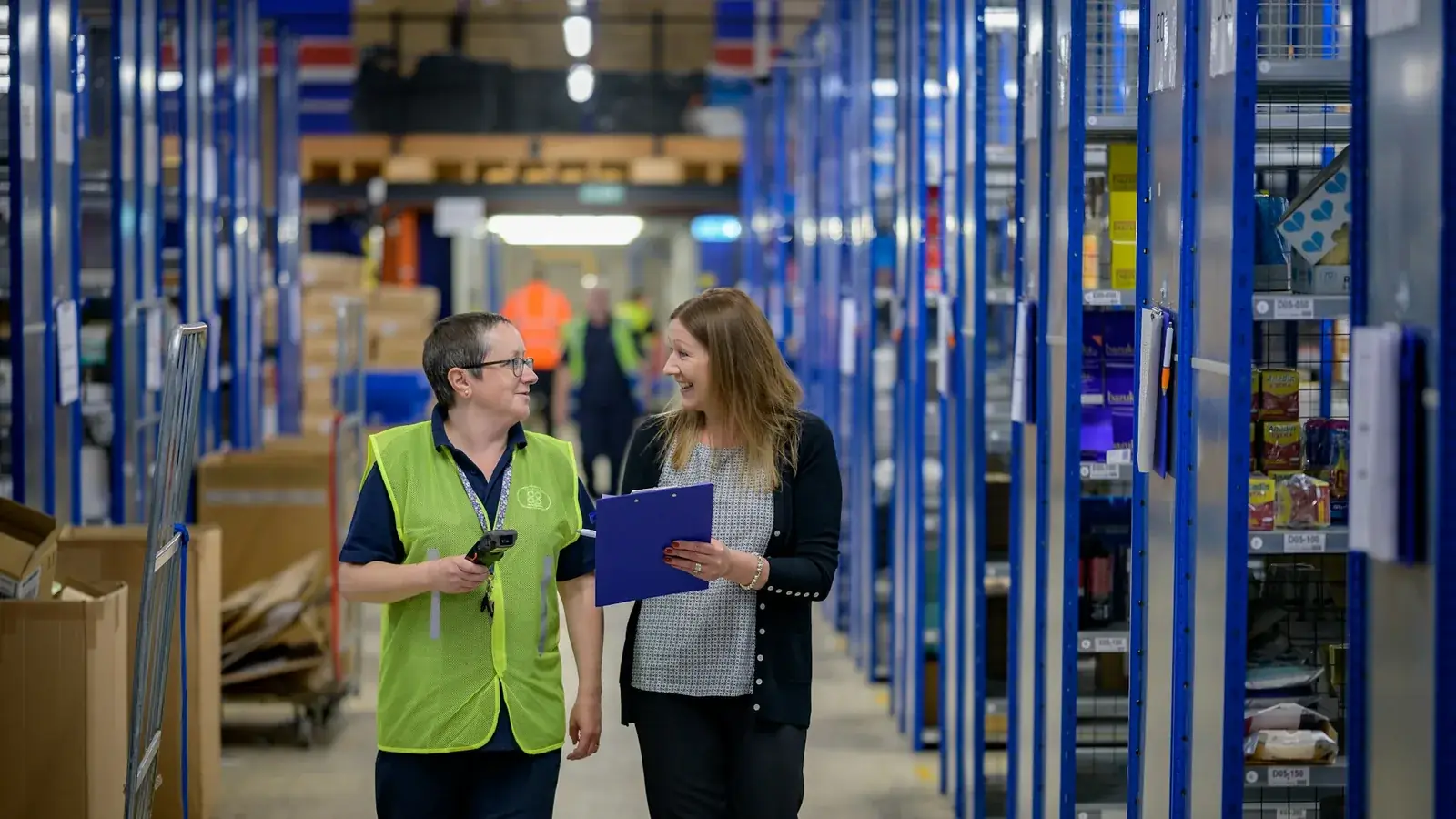
Getting a gift card from artwork to shelf is a logistics discipline, not a print job. Volume, specification, packaging security and replenishment all determine whether a program launches cleanly — and each of those decisions carries a cost long before the first card is activated at POS.
Design and Manufacturing Decisions
Card design, specification and testing determine where manufacturing makes sense. Volume drives supplier choice, and when several countries run the same program, consolidating to a single manufacturer creates genuine economies of scale. Format matters commercially too: standard plastic, 3D lenticular, scented, custom-shaped and packaged cards each carry a different price per piece, with typical print orders starting around 100,000 units.
Secure Distribution and Stock Control
Cards can move in bulk to in-country distribution centres or directly to merchant locations, with warehousing handled locally where that suits the market. Sealed packs of 25 or 50 reduce the risk of duplication or tampering in transit. Automated stock control then monitors cards delivered per location, cards activated at POS, and the trigger level that fires replenishment.
Procurement Without Manual Error
An end-to-end procurement and logistics layer registers vendor credentials and price lists, interfaces with vendor ERP systems or SFTP servers, stages order approvals, and sends card layout and PAN/serial numbers straight to the production environment. Batches are tracked out of the factory, and real-time inventory and picking confirm the right cards reach the right destination.
Shelf availability is the outcome. Controlled process is the cause.
FAQ
What decides where gift cards should be manufactured?
Volume, specification and testing results. When several countries run the same program, consolidating production with a single manufacturer produces real economies of scale.
Which card formats change the price per unit?
Standard plastic, 3D lenticular, scented, custom-shaped and packaged cards all price differently. Print orders typically start at around 100,000 units, so the format decision is a commercial one, not only a creative one.
Why are cards shipped in sealed packs of 25 or 50?
Sealed packs reduce the risk of duplication or tampering while cards are in transit between the factory, the distribution centre and the store.
How do card layouts and PAN ranges reach the production line?
The procurement layer sends them straight to the production environment after order approval, interfacing with vendor ERP systems or SFTP servers so nothing is re-keyed by hand.