
Industry Insights
Auto-Replenishment: Gift Cards That Top Themselves Up
What is gift card auto-replenishment? Cardholders register a payment card, then balances top up automatically on a schedule or below a threshold, driving repeat visits and family budgeting.
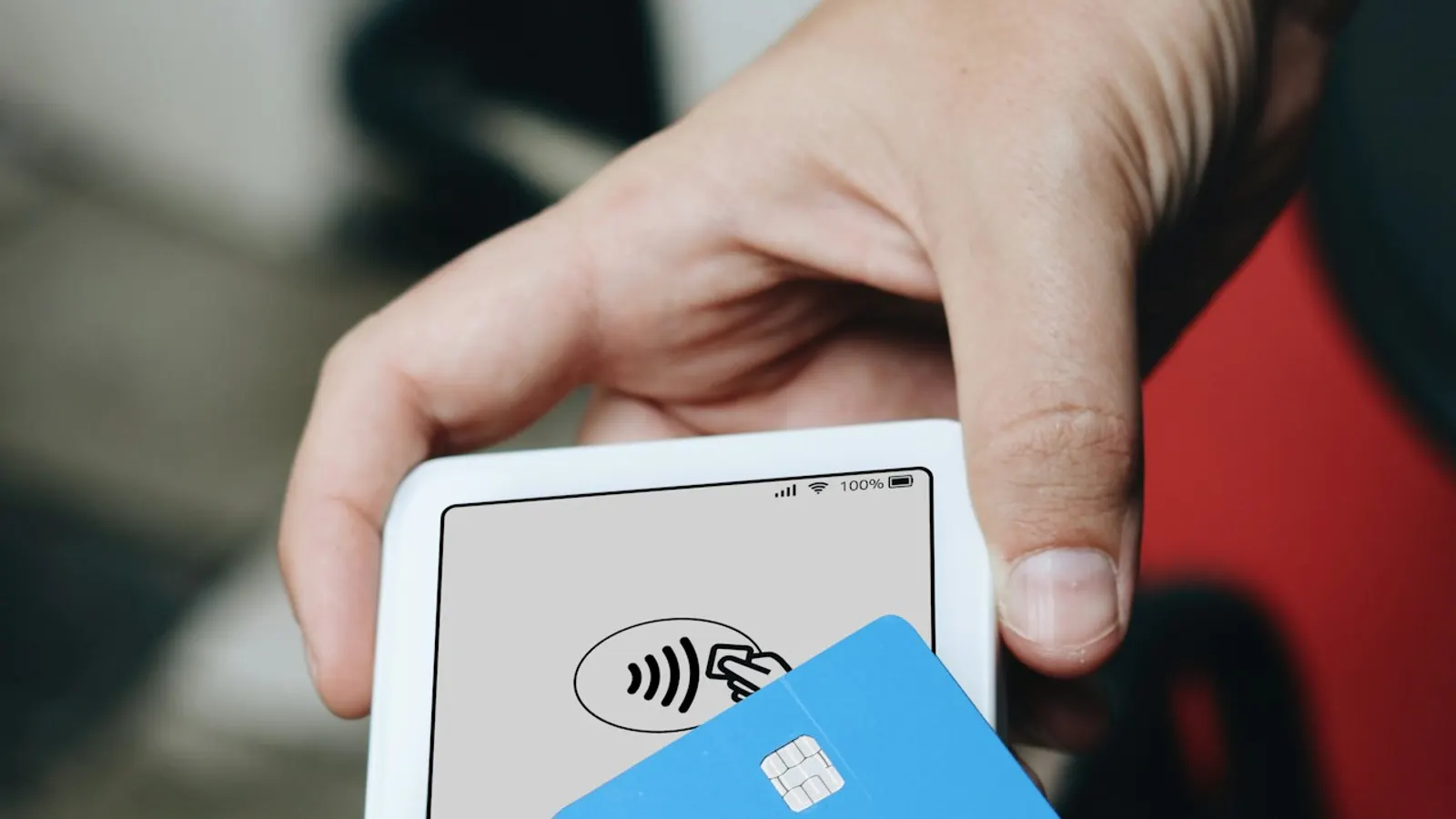
Reloading is the closest a closed-loop gift card programme gets to a subscription — and most programmes never reach it. Around nine percent of consumers chose to reload, a figure that stayed flat year on year. Automation is what changes that number.
Why Reload Rates Matter More Than Activations
A reload is a return visit. It keeps the balance on your brand rather than a competitor's, and it produces a second, third and fourth transaction from a card you have already issued. The categories with the highest reload rates are the routine ones — coffee shops and quick-service restaurants — which suggests frequency, not novelty, is the real driver. Incentives such as bonus bucks and loyalty points help, but they still rely on the customer deciding to act.
How Auto-Replenishment Works
The cardholder registers once online and chooses a rule: top up at a set interval, or top up whenever the balance falls below a specified threshold. A registered debit or credit card is billed to that schedule, and a confirmation follows by email or SMS after every reload. The customer stops thinking about it; the retailer stops chasing it.
The Budgeting Use Case
Nearly one in five consumers already treats prepaid cards as a budgeting tool — a student's allowance, a holiday club, controlled household spending. Auto-reload serves that behaviour directly.
Ogloba provides the scheduling, billing and confirmation layer, so the card becomes a standing relationship rather than a single sale.
FAQ
How many cardholders reload without being automated into it?
Around nine percent of consumers chose to reload, and that figure stayed flat year on year — which is why automation, rather than another incentive, is what moves it.
Which categories see the highest reload rates?
The routine ones — coffee shops and quick-service restaurants. That pattern suggests frequency, not novelty, is the real driver.
What rules can a cardholder set for an automatic top-up?
Top up at a set interval, or top up whenever the balance falls below a specified threshold. A registered debit or credit card is billed to that schedule, with a confirmation by email or SMS after every reload.
Who uses a prepaid card as a budgeting tool?
Nearly one in five consumers already does — a student's allowance, a holiday club, controlled household spending — and auto-reload serves that behaviour directly.