Industry Insights
The Loyalty Bridge: Connecting Gift Cards to Repeat Business
How do gift cards build loyalty? They attract high-intent shoppers cheaply; progressive enrolment, bonus reloads, points thresholds and visit-frequency rewards convert single redemptions into measurable, repeat retail business.
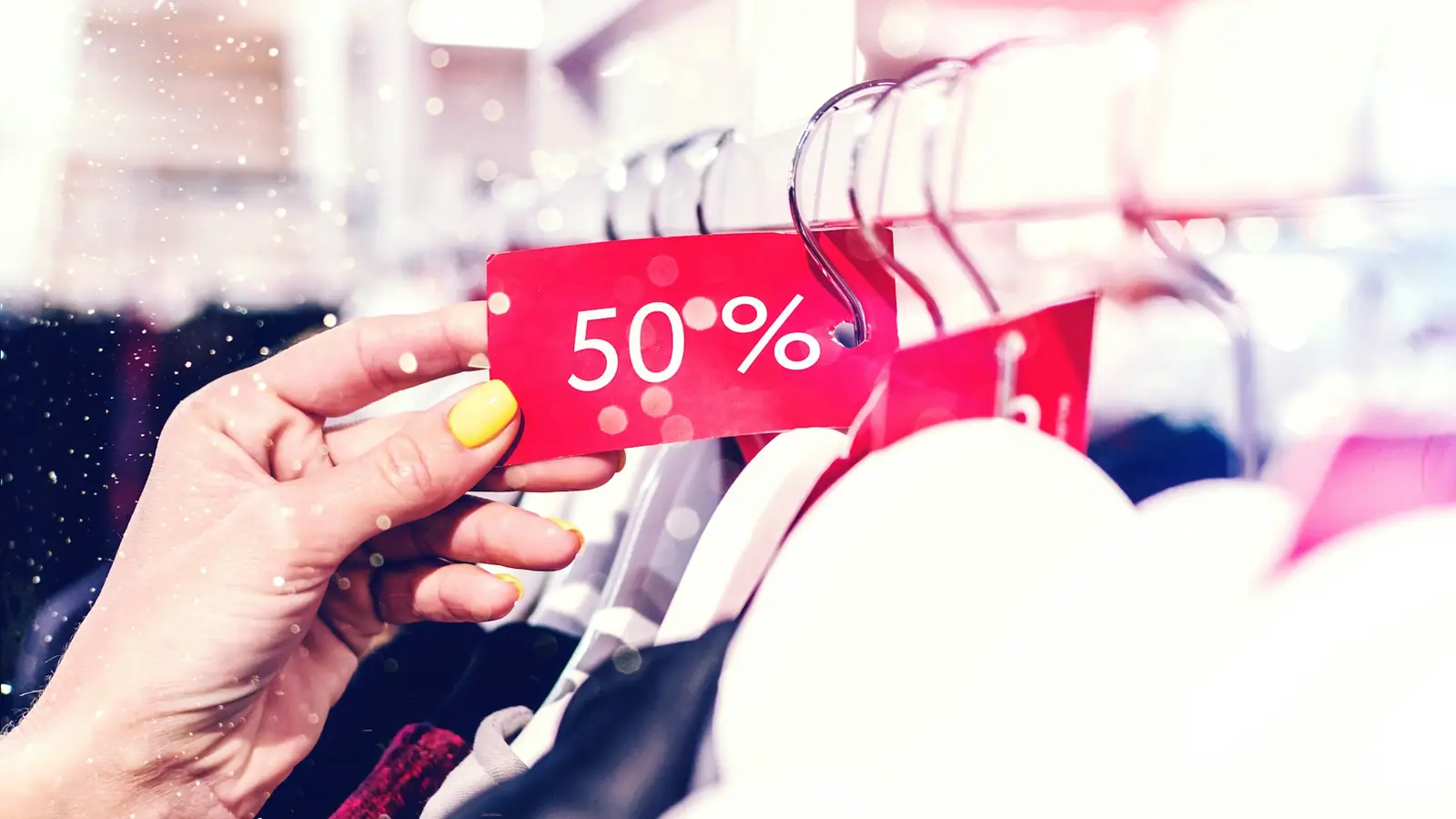
A gift card already identifies a retailer's most committed customers. The harder question is what the business still knows about them once the balance reaches zero.
The Cheapest Acquisition Channel a Retailer Owns
A gift card is money handed over in advance, frequently on someone else's behalf. It brings a recipient into the store with both a reason to visit and permission to spend, which is why subscriber acquisition cost through gift cards is unusually low. Yet most programmes stop at redemption, and the buyer and the recipient stay anonymous.
Enrolment Built Gradually, Not Demanded Upfront
The bridge to loyalty is enrolment. Collecting a phone number at the checkout, then completing the profile when the cardholder loads the mobile app or registers online, keeps data capture proportionate and consensual. Recipient details follow the same path. A registration reward shortens the distance to the first benefit, and a perceived return in the region of five to ten percent is generally what moves behaviour.
Mechanics That Fit the Programme Already in Place
Ogloba interfaces with an incumbent loyalty engine or supplies embedded mechanics directly: bonus value reloads, open redemption, point accumulation against a defined threshold, multiple award levels, and visit-frequency or SKU-loyalty rewards familiar from quick-service coffee programmes.
Handled this way, a gift card stops being a closed transaction and becomes the first measurable step in a customer relationship.
FAQ
Why is acquisition through a gift card unusually cheap?
The money is handed over in advance, frequently on someone else's behalf, and it brings a recipient into the store with both a reason to visit and permission to spend.
Where do most gift card programmes stop short?
At redemption. The balance reaches zero and both the buyer and the recipient stay anonymous, so nothing carries into a second visit.
How much personal data should be asked for at the till?
A phone number is enough at the checkout, with the profile completed when the cardholder loads the mobile app or registers online. Recipient details follow the same path, which keeps capture proportionate and consensual.
How large does a registration reward have to be to work?
A perceived return in the region of five to ten percent is generally what moves behaviour — enough to shorten the distance to the first benefit.