
Industry Insights
SIM Activation with KYC Compliance Built In
Ogloba embeds KYC into activation, capturing identity at the point of sale, so SIM cards display inactive and unlock only after verification.
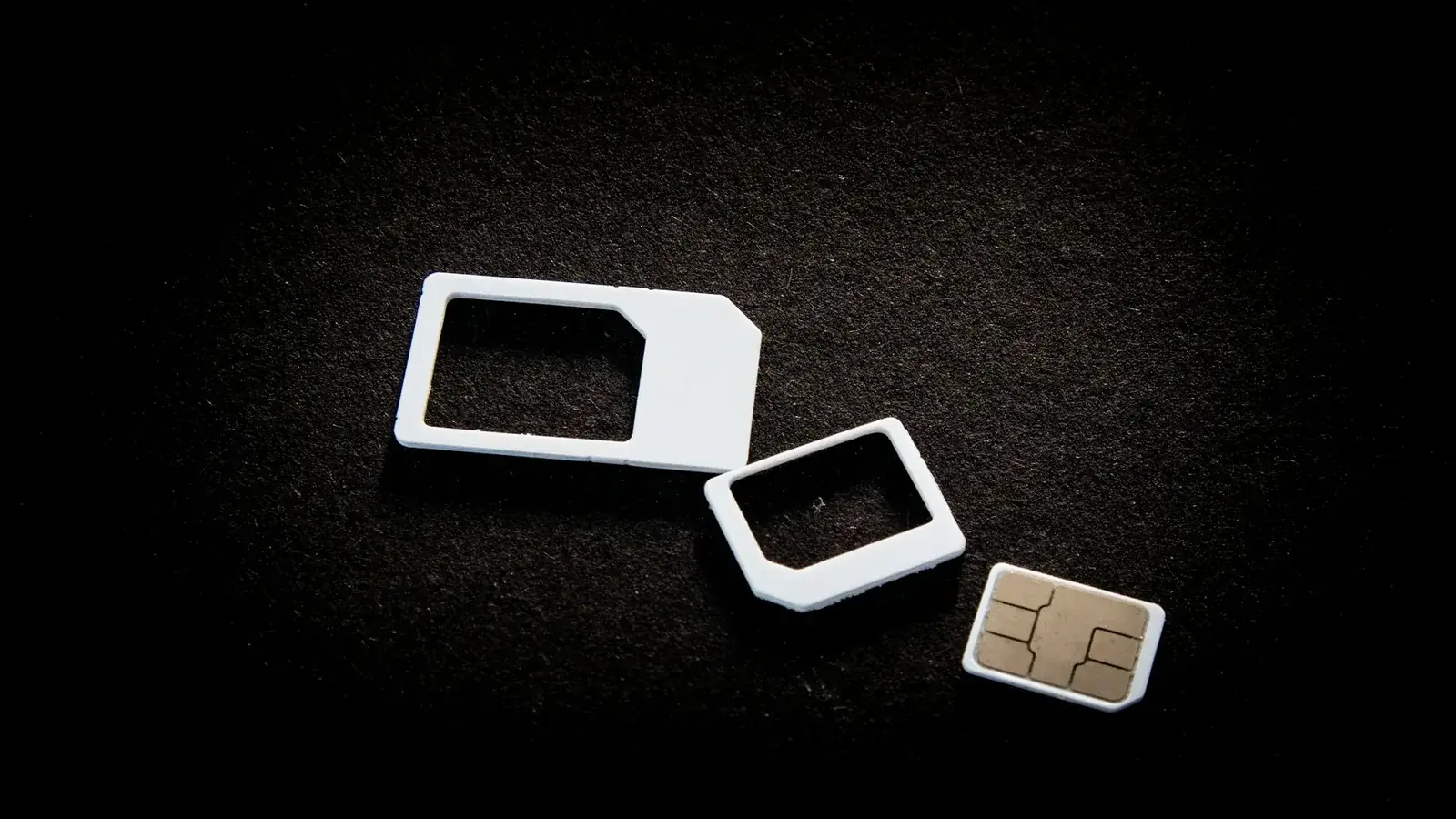
SIM activation is no longer really a telecom problem. It is a compliance problem that happens at a merchant counter, in under two minutes, handled by someone who is not a compliance officer.
Regulation Sets the Floor, Not the Ceiling
Saudi Arabia's CITC enforces a Know Your Customer process stricter than European or wider Middle East norms. Ogloba built a KYC solution to meet it — the same solution sold to Western Union and MoneyGram — and embedded that solution inside the activation platform rather than bolting it on alongside. The distinction matters: verification that sits outside the transaction always competes with the transaction.
Capture Identity Where the Sale Happens
The merchant scans the MSISDN on the SIM pack, photographs the customer's IQAMA identity card, and optionally the customer. The data transfers automatically to a hotliner who completes registration. Where the IQAMA specifications and read authorisation are available, the POS chip reader collects the identity data directly — cutting hotline load and making verification faster and more reliable. Fingerprint-enabled POS raises assurance further.
The Commercial Upside of Secure Activation
Because a SIM cannot be unlocked until verification completes, inactive stock can sit openly on the shelf. Merchandise that is not displayed does not sell, and stolen stock is worthless to whoever takes it. Compliance handled at the right layer stops being a tax and becomes a merchandising advantage.
FAQ
Why is SIM activation described as a compliance problem rather than a telecom one?
Because the hard part happens at a merchant counter in under two minutes, handled by someone who is not a compliance officer — the technical activation is the easy half.
What does the merchant capture at the point of sale?
The MSISDN scanned from the SIM pack, a photograph of the customer's IQAMA identity card, and optionally the customer. The data transfers automatically to a hotliner who completes registration.
What changes when the POS has a chip reader?
Where IQAMA specifications and read authorisation are available, the reader collects identity data directly, cutting hotline load and making verification faster and more reliable. Fingerprint-enabled POS raises assurance further.
Why can inactive SIM stock sit openly on the shelf?
Because a SIM cannot be unlocked until verification completes, stolen stock is worthless to whoever takes it — so the cards can be displayed, and merchandise that is not displayed does not sell.