
Industry Insights
Why Paper Vouchers Are Becoming Obsolete — and Gift Cards Are Taking Over
What is the difference between paper vouchers and gift cards in modern retail? Paper vouchers are becoming obsolete, while gift cards are emerging as secure, flexible retail infrastructure that improves payments, engagement, and scalability.
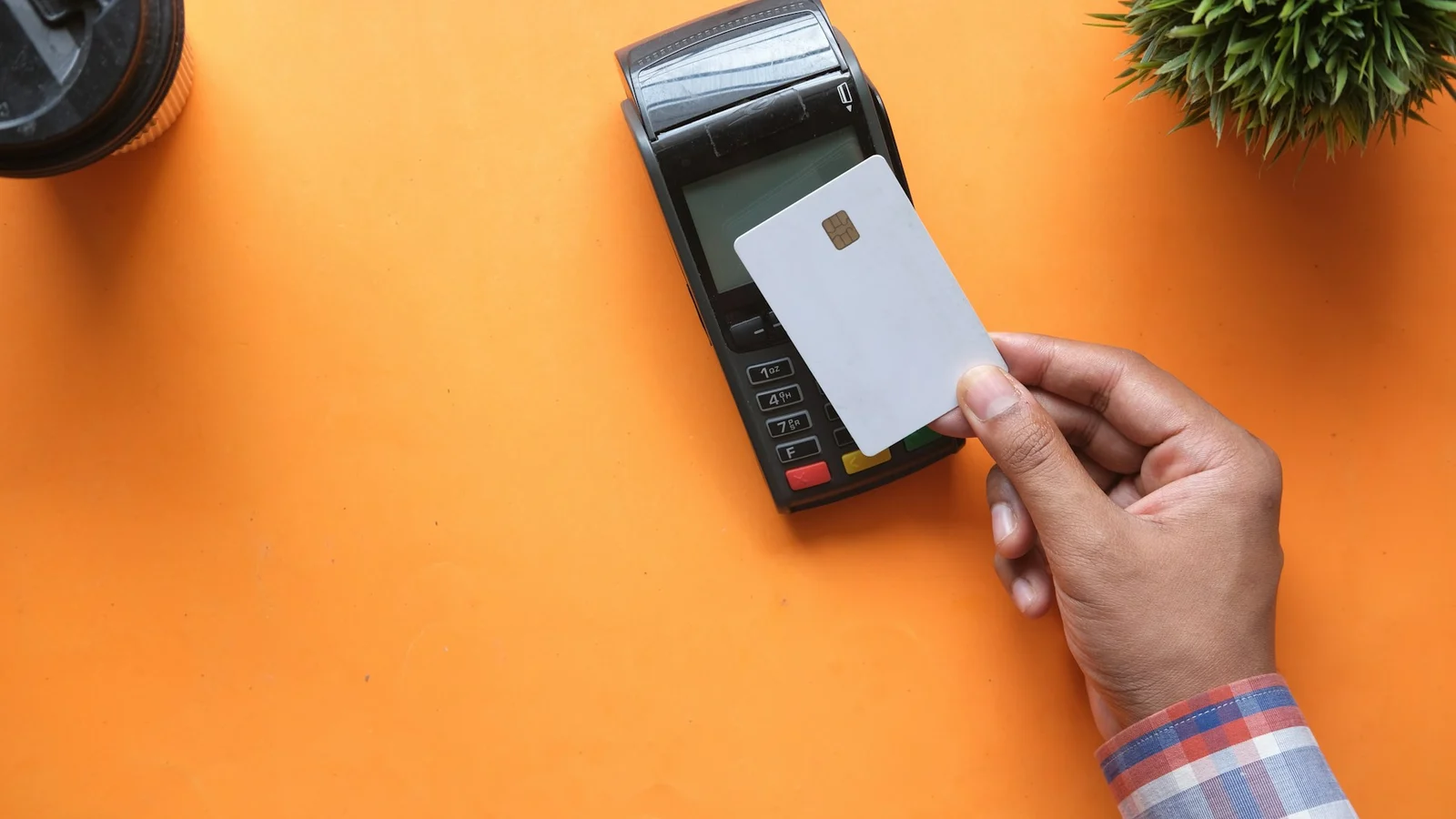
Why Paper Vouchers No Longer Fit Modern Retail?
Paper vouchers still function, but they create structural limitations. They carry cash value, which creates security and fraud risks. They require controlled transport, secure storage, and restricted visibility at the point of sale.
They also limit customer engagement. Paper vouchers are fixed-value and must be used in a single transaction. They are non-reusable and discarded after use, reducing long-term interaction with the brand.
Brand perception is also impacted. Paper vouchers are seen as outdated. They deteriorate quickly, creating a poor customer experience and weakening brand image.
How Gift Cards Solve These Limitations?
Gift cards eliminate these constraints by design. They have no value until activation, removing the need for secure logistics. They can be displayed openly in-store, supporting impulse purchases.
Gift cards enable flexible payments. They can be loaded with any amount, used across multiple transactions, and reloaded. This directly supports repeat visits and ongoing customer engagement.
They also improve brand perception. Durable, reusable cards create a higher perceived value and a more modern retail experience.
Platforms like Ogloba provide secure card management services that connect issuance, activation, and payment into a unified infrastructure.
Conclusion
Gift cards are becoming infrastructure. They replace paper vouchers by improving security, flexibility, and customer engagement. Retail is being redefined by digital commerce, and gift cards are a key component of this transformation.
FAQ
Why do paper vouchers create security and fraud risks?
Paper vouchers carry cash value, so they behave like money before they are ever used. This forces retailers to rely on controlled transport, secure storage, and restricted visibility at the point of sale, and it exposes the vouchers to fraud.
How do gift cards remove the need for secure logistics?
Unlike paper vouchers, gift cards have no stored value until activation. Retailers can therefore transport, store, and display inactive cards with far less risk, while value is added securely only when the card is purchased or issued.
Why do gift cards drive repeat visits and ongoing engagement?
Gift cards can support flexible balances, multiple transactions, and reloads. Instead of being discarded after one use, they can bring customers back to the retailer and create repeated interactions with the brand.
What role does a platform like Ogloba play in gift card programs?
Ogloba connects core gift card operations such as issuance, activation, and payment within a unified card-management infrastructure, helping retailers manage programs securely across physical and digital environments.