
Industry Insights
What Is ROPO? Research Online, Purchase Offline Explained
Research Online, Purchase Offline. Shoppers compare products digitally, then buy in store to touch items, avoid shipping fees, and take the goods home immediately.
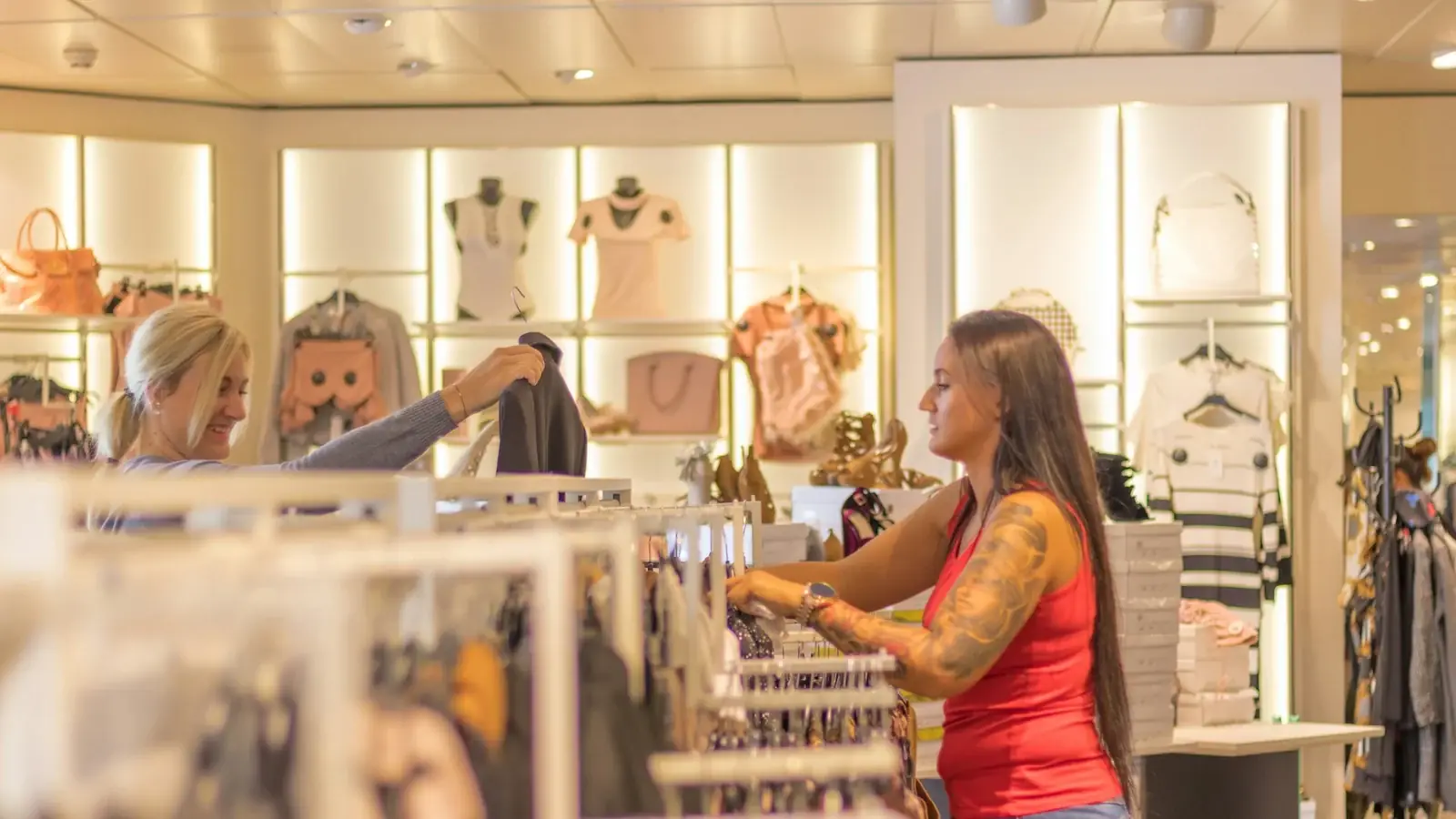
ROPO stands for Research Online, Purchase Offline: the shopper who gathers information on the internet and then completes the purchase in a physical store. It is common in high-value categories such as electronics and white goods, and it is not leakage. It is the highest-intent visit a store receives.
Why Shoppers Research Online but Buy in Store
Research narrows hundreds of options down to a few probable choices, which is genuinely easier on a screen. But then the shopper wants to see the item close up, handle it, and try it before committing. Others simply need the product now rather than in three days, prefer to take goods home the moment they pay, want to avoid shipping fees, or are wary of entering personal information online even though they are happy to research there.
What the Store Then Has to Provide
That visitor arrives informed. If the shop floor cannot match the depth they found online, the advantage evaporates. Ogloba's ROPO system addresses this with in-store kiosks and handheld terminals that let customers, assisted by staff, browse the retailer's full catalog of electronic and household appliances much as they would online.
The effect is a genuinely unified cross-channel strategy: inventory data circulates transparently, more products can be displayed than the floor could ever hold, operating costs fall, and the sales representative is supported rather than out-argued. The comparison depth of online, alongside the human interaction only a store can offer.
FAQ
Why is a ROPO visit the highest-intent visit a store receives?
Because the shopper has already narrowed hundreds of options down to a few probable choices before arriving. They are informed and close to deciding, so the visit is not channel leakage. It is the point where a well-equipped shop floor converts research into a sale.
What makes shoppers finish a purchase in store rather than online?
Several reasons: they want to see the item close up, handle it and try it before committing; they need the product now rather than in three days; they prefer taking goods home the moment they pay; and they want to avoid shipping fees or dislike entering personal information online.
How do in-store kiosks and handheld terminals support ROPO shoppers?
Ogloba's ROPO system puts kiosks and handheld terminals on the shop floor so customers, assisted by staff, can browse the retailer's full catalog of electronic and household appliances much as they would online. The depth the shopper found on the internet is matched in person.
How does a ROPO setup lower operating costs while widening the range on display?
Inventory data circulates transparently across channels, and far more products can be displayed than the floor could ever physically hold. Operating costs fall as a result, and the sales representative is supported by the same information the customer has, rather than being out-argued by it.